
Artificial Turf Installation in Lakeway
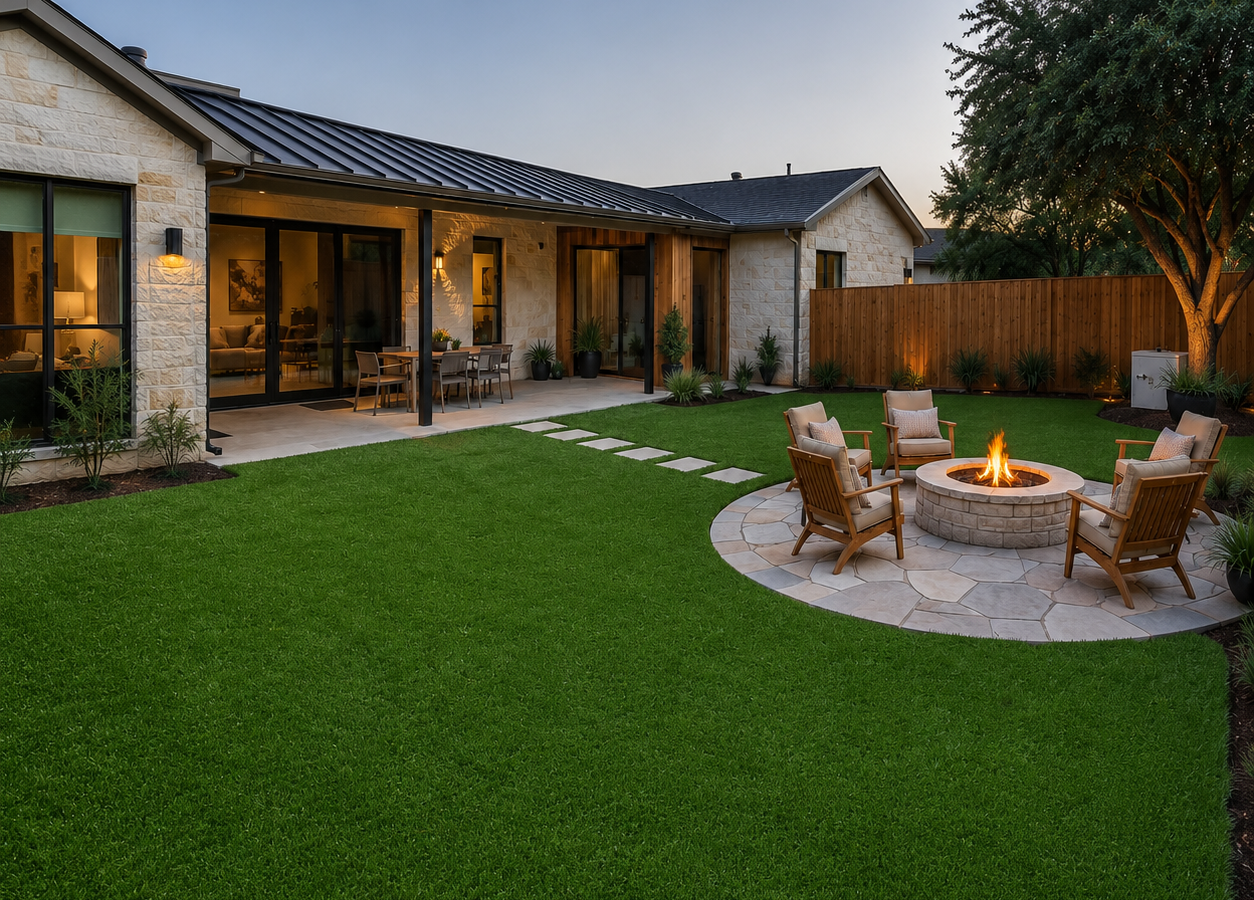
Artificial turf gives Lakeway homeowners a green, low-maintenance yard through the whole year, with no mowing, no fertilizer, and no timing your sprinklers to avoid a citation. That matters here because WCID #17 uses AMI meter data to detect off-schedule irrigation automatically, with penalties up to $1,000. Turf is a yard the meter cannot flag.
WCID 17 Enforcement Is Automated, and the Fines Are Not Small
Water in Lakeway comes from Water Control and Improvement District #17, which draws from Lake Travis. WCID #17 has been in Stage 1 restrictions with combined storage above 900,000 acre-feet, which means residents get two designated watering days per week and cannot irrigate between 10 a.m. and 7:01 p.m. Hand watering with a shut-off nozzle is allowed anytime.
The enforcement is different from what most Central Texas homeowners are used to. WCID #17 uses AMI (advanced metering infrastructure) to automatically flag households whose usage pattern shows timed irrigation running on the wrong day, exceeding a typical garden-hose flow rate, or otherwise inconsistent with the assigned schedule. When the algorithm flags a violation, or a WCID field worker observes one directly, the penalty can be up to $1,000.
What that means in practice: you cannot rely on the neighbor not noticing. The meter is the neighbor. And it does not forget.
Homeowners on Bermuda in Lakeway are exposed to that penalty structure every single week of the summer. Homeowners on artificial turf are not. Turf uses no irrigation, generates no AMI usage spike, and requires no schedule tracking.
What we do not do: claim WCID #17 or Lakeway city has a rebate for artificial turf. There is no such program. The financial case here is on the avoided fines, the eliminated water bill in July and August, and the labor cost of maintaining Lake Travis-facing lawns under a two-day-per-week limit.
Lakeway Neighborhoods and Subdivisions
Lakeway is a collection of master-planned communities and gated enclaves rather than one uniform city. Each has its own HOA culture, lot footprint, and typical yard profile. Here is where we install and what to expect.
Rough Hollow
Master-planned community with resort-style amenities, marina access, and semi-custom to fully-custom homes by preferred builders. Lots range from tight-cluster to estate-scale. HOA architectural review is active and requires submission for turf. We prepare the packet on every install.
Flintrock at Hurst Creek and Flintrock Falls
Gated golf-course community built around the Jack Nicklaus-designed Flintrock Falls course. Custom homes on generously-sized lots with mature landscaping. Yards here trend toward manicured over natural, which is where Texas Supreme’s density and short pile show best.
The Hills of Lakeway
Established gated community with country club, dining, and boutique amenities. Lots vary from tight patio-home configurations to large estate parcels. Front-yard visibility is high and the architectural committee is active.
The Vineyard, Vineyard Bay, Estates Above Hurst Harbor
Waterfront and near-waterfront enclaves with custom homes and rarely-turned inventory. When these homes trade, new owners frequently upgrade the landscape, and turf around pool decks and view terraces is a common part of the scope.
The Vistas at Lakeway, Hurst Creek
Mid-density Lakeway pockets with newer custom builds. Front yards are more visible from the street and the HOA takes design consistency seriously. Realism matters more than raw density here, and Hill Country Blend is the usual recommendation.
Older Lakeway core neighborhoods
The original Lakeway subdivisions predate the master-planned community boom and have older housing stock, larger lots by today’s standards, and less-uniform architectural review. Yards here often show the effects of the shallow soil and oak coverage, which is where turf outperforms every other option under the canopy.
Local Landscape Realities
AMI metering changes the math
Most Central Texas cities enforce water restrictions through complaints and drive-by observation. WCID #17 does it through your own meter. The system flags irrigation-shaped usage patterns automatically, which means the fine can arrive without any human ever having driven past your house. That is the specific detail Lakeway homeowners underestimate until they see the first citation.
Lake Travis terrain equals slope
Lakeway’s defining feature is the drop to the water. Yards on the lake-facing side trend toward significant slope, which changes the base preparation for a turf install (drainage plane matters more than depth). We spec that into every quote where it applies.
Oak canopy plus shallow soil
Same story as the rest of the eastern Hill Country. Live oaks and thin caliche soil over limestone create the exact conditions where Bermuda fails and Zoysia struggles. Turf works because it does not depend on light or root depth. Older Lakeway core neighborhoods see this most clearly.
HOA culture is uniformly active
Every master-planned community and gated pocket in Lakeway has an architectural review committee. Texas Property Code Section 202.007 prevents them from banning drought-tolerant landscaping, and that protection extends to artificial turf in most residential contexts. Preapproval is standard. We handle the packet.
Product Fit by Situation
Lake-facing lots, high visibility, and active HOAs make blend selection a real conversation on the walk-through. Here is how it usually falls.
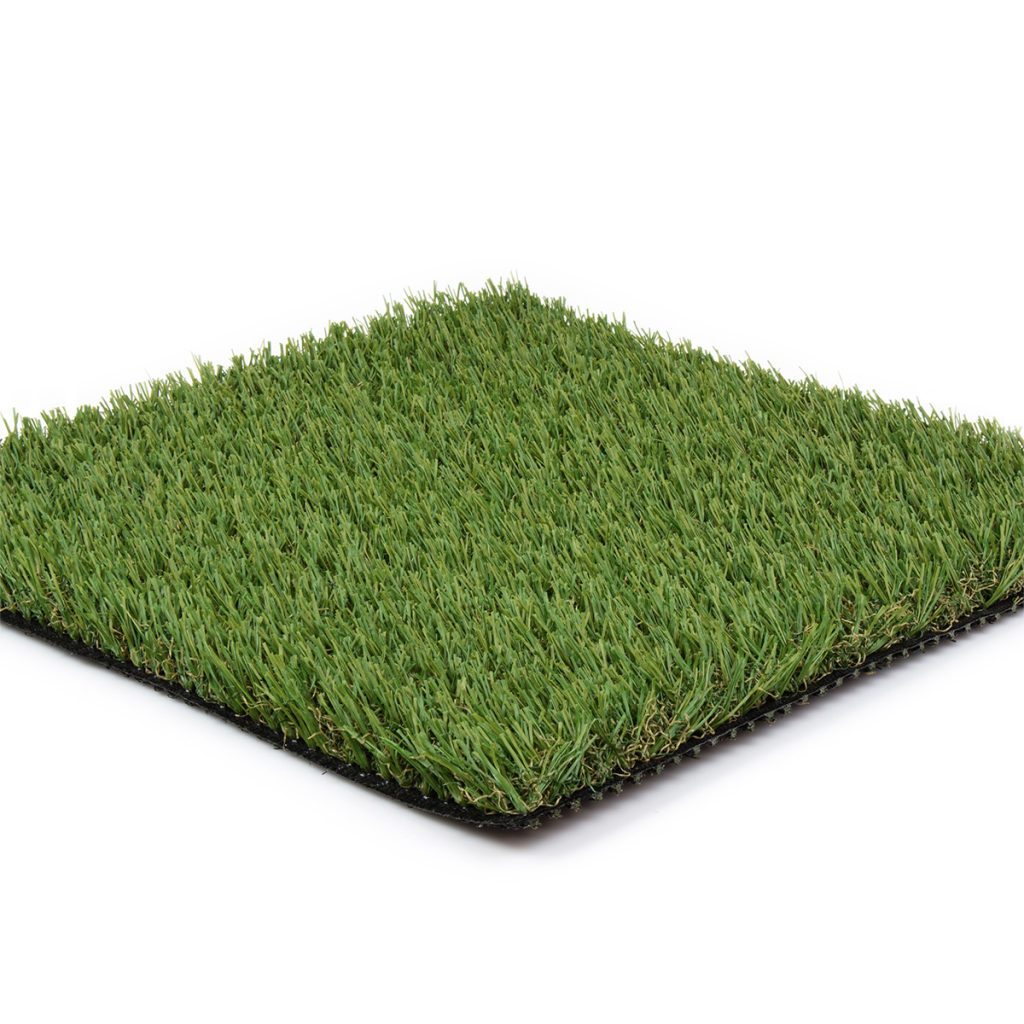
Cen-Tex Blend
Right pick for large slope coverage down to the lake, side yards, and low-visibility installs on estate lots. 5-year warranty. Not the choice for high-visibility Flintrock or Rough Hollow front yards.
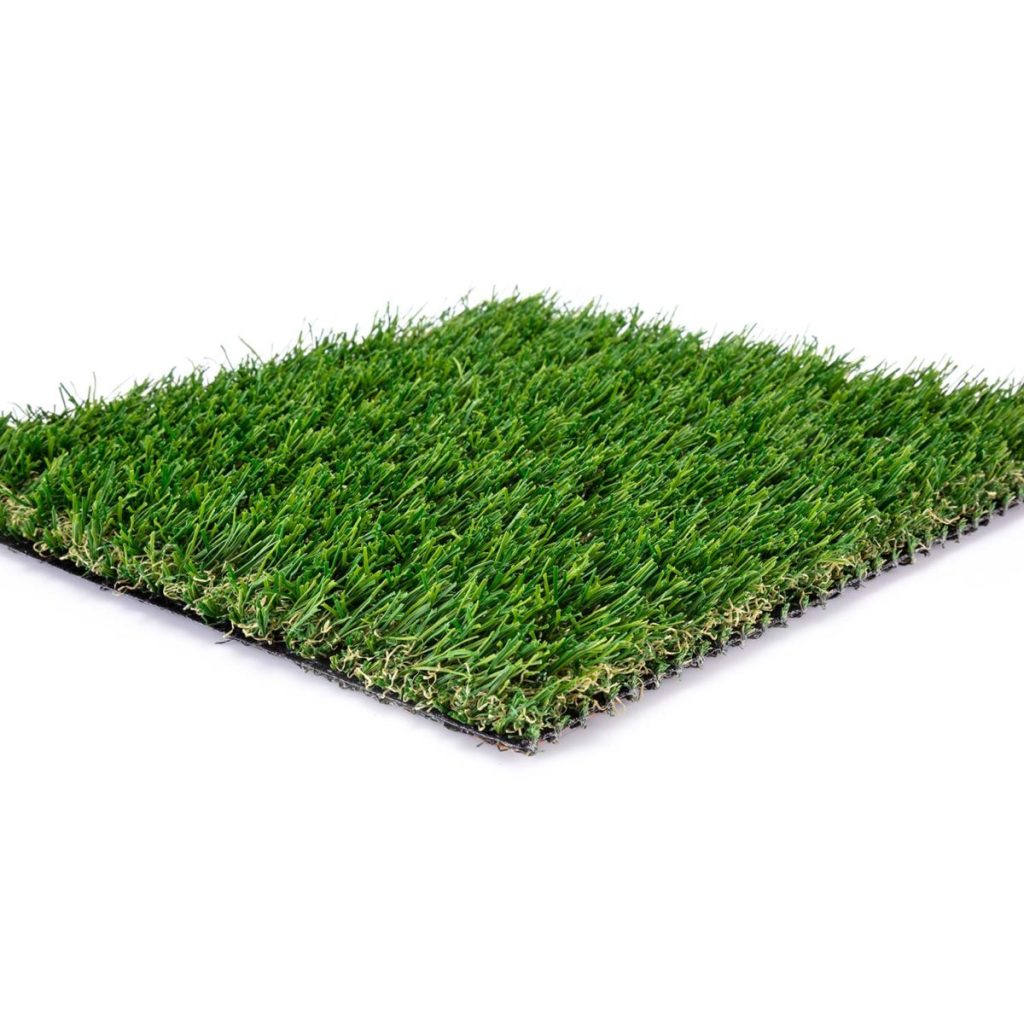
Hill Country Blend
The default for most Lakeway front and back yards. Full 15-year warranty, sheen-free look, and endorsed by an Austin installer as the best pick for hot climates.

Texas Supreme
The right blend for Flintrock-style manicured golf-course backyards, pool decks off a Lake Travis view terrace, and family jobs where kids will be on the lawn barefoot. 5 mm padding and the softest blade the manufacturer makes.
Owner-Run Process, Adjusted for Slope and HOA Culture
Lakeway is a straightforward run from our Leander base. Not as immediate as a Westlake job, but still comfortable same-week scheduling.
Walk-through within the week
Lakeway addresses usually get an on-site walk-through within three to five business days. Waterfront and gated-community access may require an appointment with the community’s front gate.
Slope and drainage on the estimate
Lake-facing lots need drainage-plane base preparation. We spell out the specific base build for slope on the quote, so there are no surprises on install day.
HOA packet included
Rough Hollow, Flintrock, The Hills of Lakeway, and every gated pocket in Lakeway require submission. We prepare the manufacturer spec sheet, product photos, and layout drawing as part of the install cost.
Owner and foreman on site every day
John McCormick is on every job. No subcontractors. The crew that starts your install is the crew that finishes it.
What Lakeway Homeowners Ask on the Walk-Through
What is the WCID 17 fine for a water violation?
WCID #17 penalties are up to $1,000 per violation. The district detects violations through its AMI (advanced metering infrastructure) system, which flags irrigation-shaped usage patterns automatically, and through direct observation by WCID field personnel. The AMI approach means the violation can be detected without anyone driving past your house.
Does Lakeway or WCID 17 offer a rebate for artificial turf?
No. Neither the city of Lakeway nor WCID #17 has a program that covers synthetic turf installation. LCRA WaterSmart covers native-plant conversion, soil tests, and irrigation upgrades in some contexts, but not turf. Any installer claiming otherwise is overpromising.
Will my Lakeway HOA allow artificial turf?
Depends on your specific HOA or community rules. Some Austin-Metro HOAs approve properly-documented artificial turf submissions with preapproval; others prohibit synthetic grass for standard lawns entirely (Wolf Ranch in Georgetown Georgetown are two documented examples). We check your specific community’s covenants and design guidelines on the walk-through and will tell you before quoting the job if artificial turf is not permitted for your address. Texas Property Code Section 202.007 protects native drought-tolerant landscaping and water-conserving natural turf from HOA prohibition. It does NOT automatically extend to artificial turf, which each community regulates individually. Some HOAs allow synthetic turf with preapproval, others require specific quality standards, and a few (Wolf Ranch in Georgetown Georgetown are documented examples) prohibit it for standard lawns entirely.
How does turf handle slope on lake-facing lots?
Base preparation changes on slopes. We build a drainage plane rather than a deep compacted base, and edging strategy accounts for the water path down the slope. The finished product performs the same as on flat ground. Rough Hollow and Flintrock installs routinely include slope sections.
What if my address is on the Bee Cave-Lakeway border?
Utility service can vary block by block in that corridor. Parts of Bee Cave are served by WCID #17 (same rules as Lakeway core), other parts by West Travis County PUA or Travis County MUD 18 (different Stage 2 schedules). We check the utility on the walk-through so the local water context matches your actual bill.
Do you install on the older core Lakeway lots with heavy oaks?
Yes. Those are the yards where turf outperforms every alternative. Live oak canopy plus shallow soil is the specific failure profile for Bermuda in this area. Turf works because it does not need light or root depth. Bi-annual rinse handles oak-tannin drip staining.
Book a Walk-Through in Lakeway
Fifteen to twenty minutes on-site. Written estimate in your inbox within 48 hours. We bring samples of all three blends. HOA and gated-community packet included where needed.