
Commercial Turf for Multi-Use Spaces
Restaurant patios that stay green through August. Apartment amenity backyards that hold up to daily pet traffic. Event lawns that host summer weddings. HOA common areas that stay green under drought stage four. Different specs, one contractor.
Commercial turf is specified differently from a residential lawn: higher face weight for traffic, and a base built for it. The economics are also different, because what a property is really buying is the removal of a recurring irrigation and mowing line item from the operating budget.
We work with Austin metro property managers, HOAs, offices, multifamily communities and retail sites across the same footprint as our residential work, roughly twenty miles out from central Austin. See our service area for the communities we cover.
Four Applications We Install Regularly
Restaurant Patios & Hospitality
Patio strips, courtyard turf, and rooftop bar spaces. Consistent look in August, no irrigation, no dead patches.
Dog Daycares & Pet Amenity
Antimicrobial pet infill and our densest landscape blend. Right choice for apartment pet runs and small daycare yards where the alternative is dirt.
HOA Common Areas & Amenity Lawns
Entry medians, gathering lawns, apartment amenity spaces. Consistent look year-round, zero irrigation, HOA-friendly maintenance schedule.
What Makes a Commercial-Grade Install
Face Weight Matches Traffic
Face weight in ounces per square yard is the durability number. Low-traffic ground cover lands on our 45 oz Cen-Tex Blend. Moderate-traffic amenity spaces on the 55 oz Hill Country Blend. High-traffic pet zones and daily-use amenity backyards on the 90 oz Texas Supreme.
Two-Layer Polyurethane Backing
All three of our blends use a 27 oz two-layer polyurethane backing, which sits above the 26 oz threshold industry buying guides use as the quality cutoff. Same construction across the line.
Antimicrobial Infill on Pet Zones
Pet amenity spaces get a zeolite-based antimicrobial infill instead of standard silica. It absorbs ammonia at a molecular level and re-releases nothing back into the air, which is the difference between a pet yard that smells fine and one that does not.
Infill Weight per Sq Ft
Denser turf needs less infill per square foot to keep fibers upright. Texas Supreme is the shortest in required infill of the three, which partially offsets its higher per-square-foot material cost.
Which Blend for Which Commercial Use
Commercial spec is driven by the intensity of use. Ground-cover and amenity applications land on the value tier. Moderate-traffic event lawns and restaurant patios land on the mid tier. High-traffic dog daycares and daily-use amenity backyards land on the premium tier.
Cen-Tex Blend
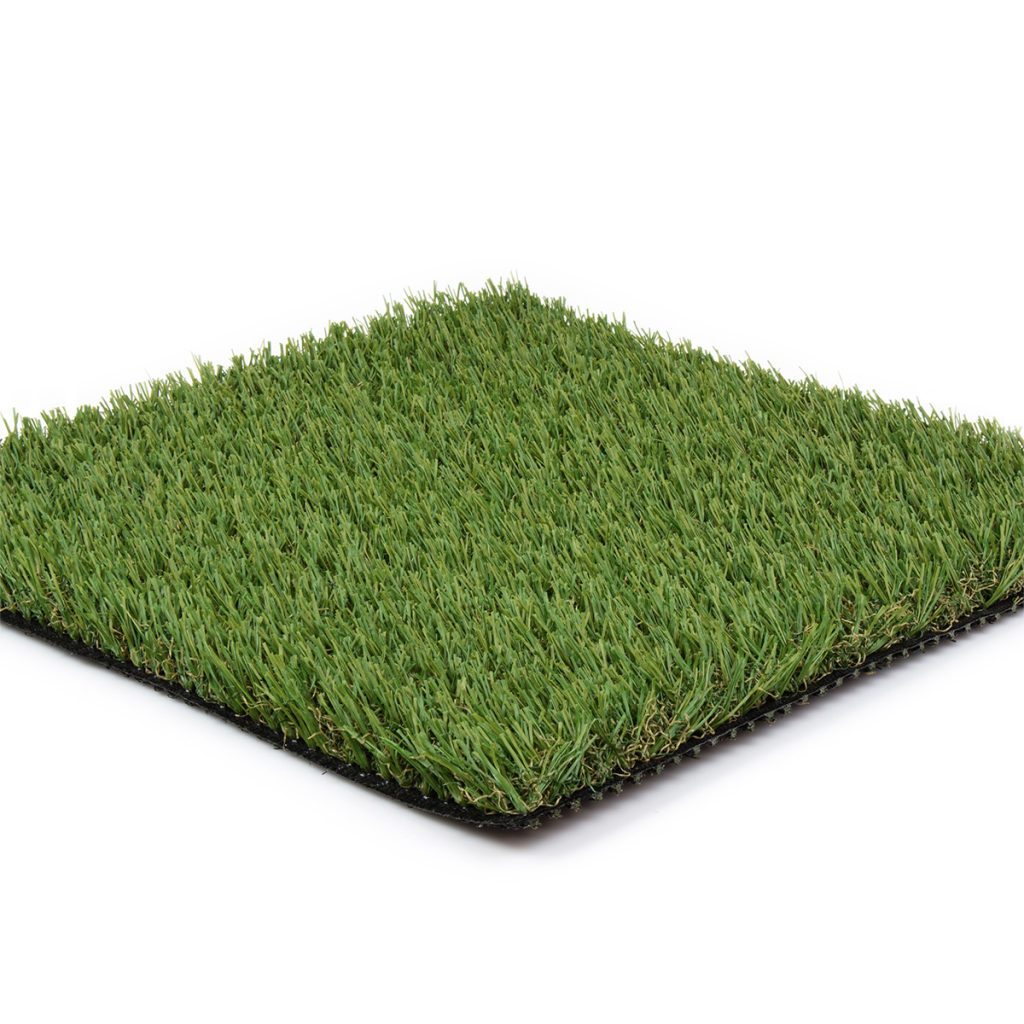
Right pick for HOA common areas, entry medians, parkway strips, and any commercial ground cover where nobody walks daily. 5-year warranty. 45 oz face weight.
Hill Country Blend
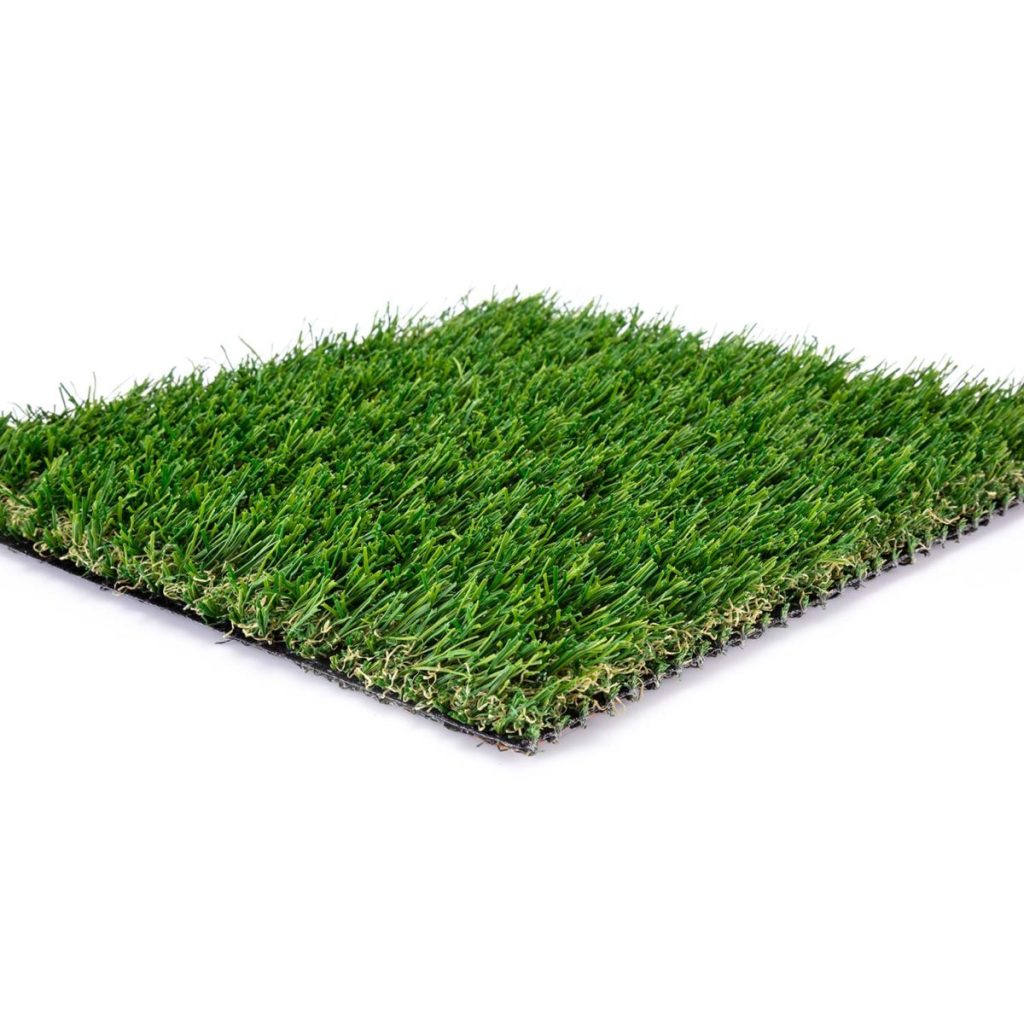
The default for event lawns, apartment amenity spaces, courtyard installs, and moderate-traffic commercial use. Full 15-year warranty. 55 oz face weight.
Texas Supreme
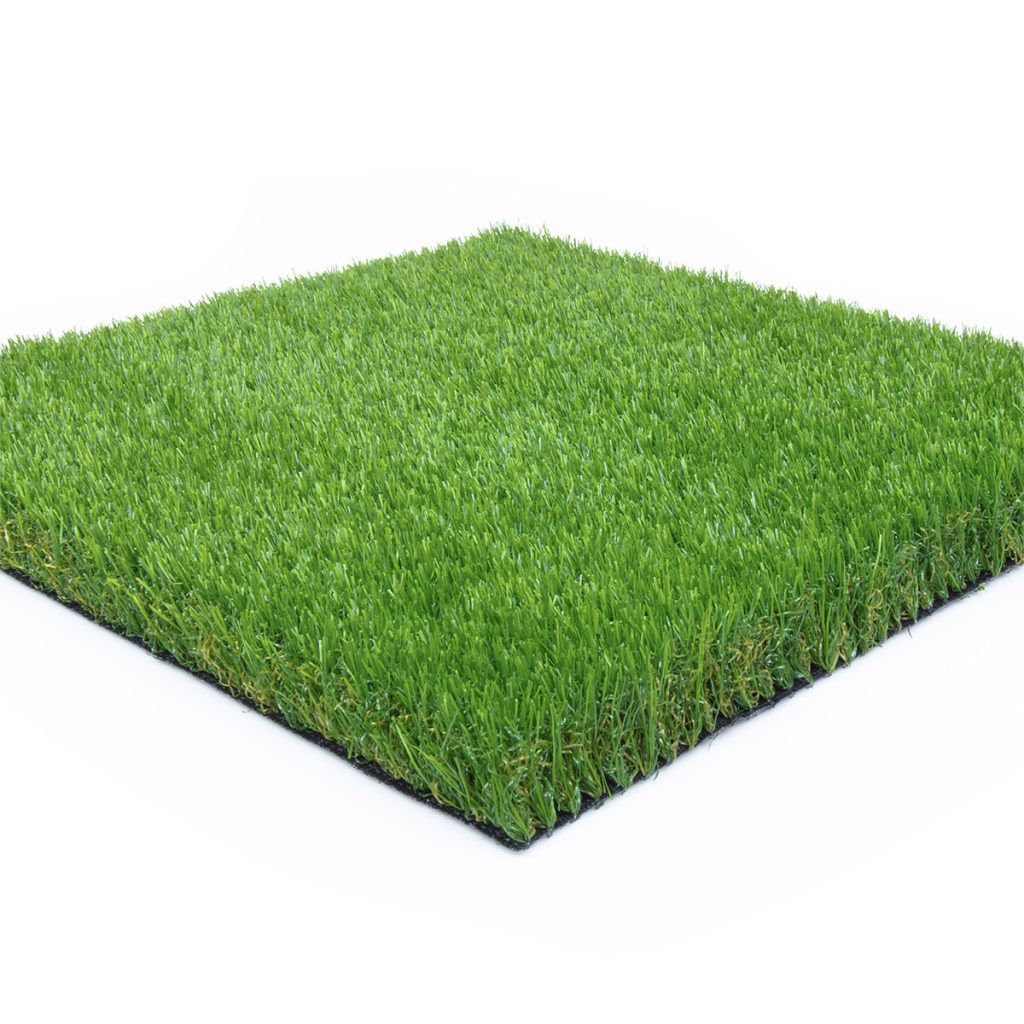
Step up for dog daycares, high-use amenity backyards, and any zone where daily traffic would mat a lighter product. 90 oz face weight is the most matting-resistant option we sell.
How Commercial Landscaping Projects Work
Walk-Through
On-site with owner or GC. Use case, traffic, spec review.
Bid Package
Written spec, product data sheets, install schedule. Bond and insurance certs attached.
Install
Base prep, seaming, spec-weight infill. Coordinated around operations.
Handoff and Maintenance Options
Care instructions, warranty, optional ongoing maintenance contract.
What People Ask About Commercial Landscaping
What areas of a commercial property does turf usually go?
Street frontage and entry beds, medians and islands, courtyards and amenity lawns, dog runs at pet-friendly communities, and the strips between buildings where irrigation never reached properly. Anywhere a green surface is expected and grass keeps failing.
Does turf hold up to constant foot traffic?
It depends entirely on face weight. A light residential grade mats down fast on a walked line, so commercial areas get a denser product and a deeper compacted base. Matting is normal wear rather than a defect, which is why specifying up front matters more here than on a back yard.
Can turf be used for batting cages and sports surfaces?
Yes. Those use a different specification again, with a shorter, tougher pile suited to repeated impact and cleats rather than the look of a landscape lawn. Tell us the use at the walk-through so the right product is bid.
What happens to the existing irrigation in a turfed area?
Heads inside the turf area are capped and the zones feeding trees and retained planting stay live. On commercial sites this is usually where the operating saving shows up first, so it is worth documenting which zones were removed.
Do medians and common areas need different edging?
Yes. Anywhere turf meets a curb, sidewalk or parking area takes a mechanically secured edge, because vehicle overhang and pedestrian shortcuts attack the perimeter far harder than they do in a yard.
Get a Bid for Your Property
Send us the scope and drawings, or we walk the property with you. Written bid typically 3 to 5 business days.