
Artificial Turf Installation in Austin
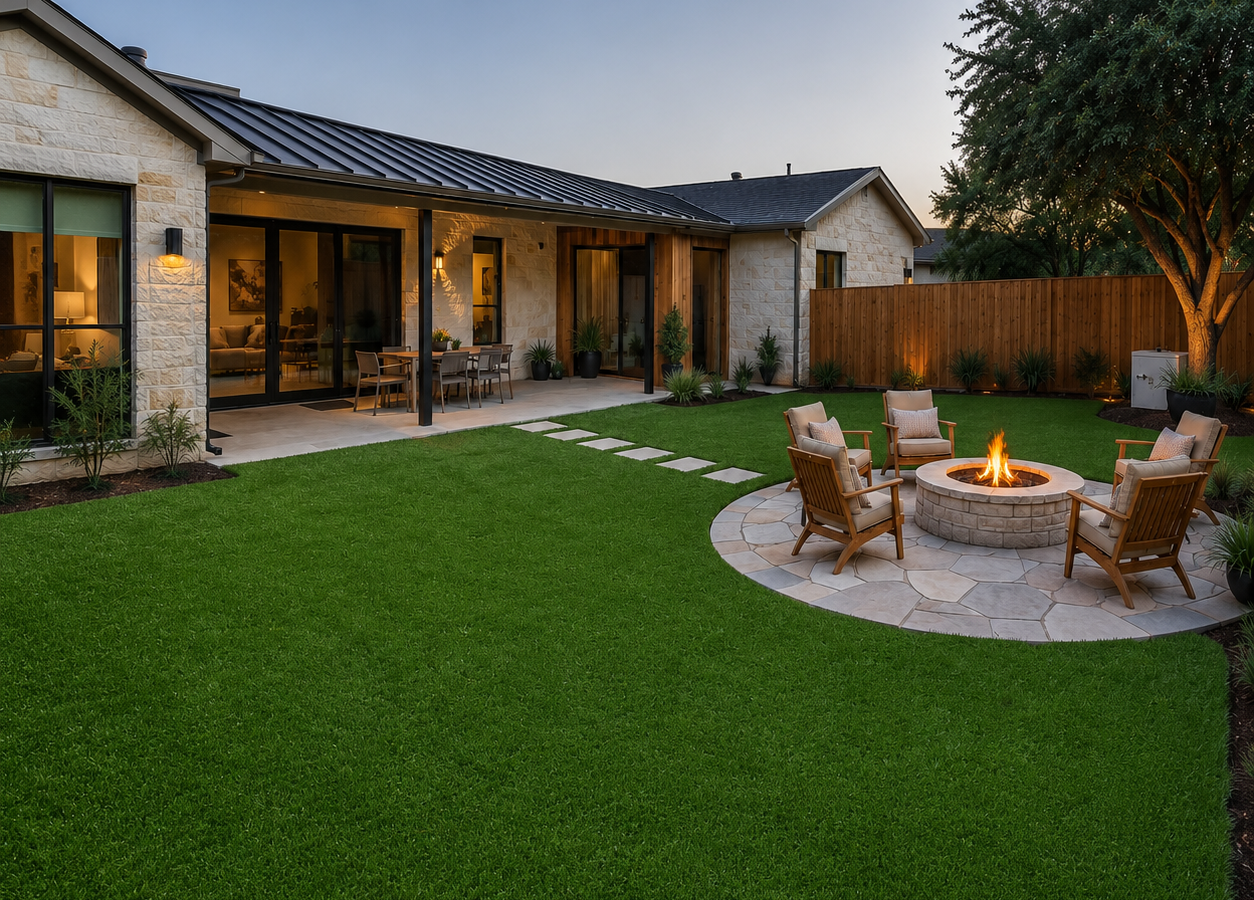
Artificial turf gives an Austin yard the green lawn the watering schedule no longer allows. Austin Water lets an automatic sprinkler run one day a week, before 10 a.m. or after 7 p.m., and that is the baseline Conservation Stage, not a drought emergency. Turf does not have a watering day. We install it across the city from our Leander base, with the owner on site every day.
One Sprinkler Day a Week Is the Permanent Baseline
Austin Water moved the city back to its Conservation Stage on September 2, 2025, after two years in Drought Stage 2. Conservation Stage is the loosest schedule Austin runs, and it still limits automatic irrigation to one designated day per week, only before 10 a.m. and after 7 p.m. Hose-end sprinklers and drip get two days. Even-numbered addresses water on Thursday (plus Sunday for hose-end), odd-numbered addresses on Wednesday (plus Saturday).
That is the schedule in a wet year. When the Highland Lakes drop, the stages tighten again, and Austin spent most of 2023 through 2025 under them. A Bermuda or St. Augustine lawn that gets one sprinkler pass a week in a 100-degree August goes brown and stays brown. A turf yard does not notice which stage the city is in.
Enforcement runs through Austin 3-1-1 reports and scheduled patrols. The city’s watering-day page states that failing to follow the restrictions “may result in penalties of up to $1,000 per violation.” Austin Water’s own guidance is that a first witnessed violation draws a warning notice, and a second within 365 days at the same address draws a citation with a monetary penalty.
What we do not do: tell you Austin will pay you to install turf. Austin Water’s WaterWise Landscape Rebate covers conversions to native and adapted plants from the Grow Green plant guide and states that you cannot replace turf grass with another type of turf grass. Synthetic turf does not qualify.
Austin Water, the Highland Lakes, and Why the Stages Keep Coming Back
Austin draws its drinking water from the Colorado River through Lake Travis and Lake Austin, the two Highland Lakes reservoirs managed by the Lower Colorado River Authority. When combined storage in Lakes Buchanan and Travis falls, the LCRA and Austin Water step through drought stages that cut outdoor watering first. The 2023 to 2025 Stage 2 period was the longest Austin had seen in a decade, and the city only relaxed it after heavy summer rain in 2025 refilled the lakes.
The lesson for a homeowner is that the baseline schedule is one sprinkler day a week and the stages above it return whenever the lakes drop. Planning a lawn around the wet-year rules is planning to lose it in the next dry one.
Addresses in Austin’s extraterritorial jurisdiction and in a few annexed pockets are served by other providers. We confirm which utility bills your address on the walk-through so the estimate references the right rules.
Austin Neighborhoods, From the Hill Country Side to the Prairie Side
Austin is the one city in our service area where the ground under the lawn changes completely from one side of town to the other. The west side sits on the Edwards Plateau: thin soil over limestone, oak canopy, slope. The east side sits on Blackland Prairie clay that swells when wet and cracks when dry. Both are hard on grass and both are straightforward for a turf base, but they are prepared differently.
Northwest Austin: Great Hills, Anderson Mill, Jollyville, Avery Ranch
Closest to our Leander base and the part of Austin we reach fastest. Limestone close to the surface, mature live oaks, and established HOAs in the master-planned sections. Shade from the oak canopy is the usual reason the Bermuda failed in the first place.
Central Austin: Hyde Park, Allandale, Crestview, Brentwood, Rosedale
Older housing stock on smaller lots, often with no HOA at all. Front yards are visible from the sidewalk, so realism matters more than density here and Hill Country Blend is the usual recommendation. Heritage trees are common and their root zones are worked around, not through.
West Austin: Tarrytown, Barton Hills, Steiner Ranch, River Place
Slope, limestone, and oak shade together. Steiner Ranch and River Place have active architectural review committees that want a submission before any yard change; we prepare the packet. Pool surrounds and view terraces are a large share of the work here.
South Austin: Circle C Ranch, Travis Country, Shady Hollow, Westgate
Circle C Ranch and Travis Country both run architectural review, and Circle C is one of the larger homeowners associations in the city. Lots are bigger than central Austin and front lawns are the main conversion. Texas Supreme shows up here around pools and play areas.
East Austin: Mueller, Windsor Park, Cherrywood, East Riverside
Mueller has a design review process and small, visible yards where a flat, realistic install matters. The older east-side neighborhoods sit on clay that heaves; the base is built thicker and compacted in lifts so the turf stays level through wet and dry cycles.
Where Austin meets its neighbors
Addresses that read Austin but sit in West Lake Hills, Rollingwood, Pflugerville or Manor follow those cities’ water rules, not Austin Water’s. Each has its own page.
Local Landscape Realities
Two soils, two base preparations
West of MoPac the base is built up over limestone because there is little to dig into. East of I-35 the base is dug deeper into clay and compacted in two lifts so seasonal movement does not telegraph through. The turf on top is the same; the three to four inches under it are not.
Heritage trees set the layout
Austin protects its larger trees by ordinance and the live oaks in the older neighborhoods are the reason many of those lawns never filled in. We do not trench through major roots. Turf is laid around the root flare with a soft edge, which is also what keeps the tree healthy.
HOA framing varies by era
Central Austin neighborhoods built before 1970 mostly have no association. The master-planned communities on the edges, Circle C, Steiner Ranch, Avery Ranch, Mueller, run architectural review. Texas Property Code Section 202.007 protects native drought-tolerant landscaping and does not automatically extend to artificial turf, so approval is community by community and we verify before quoting.
Small lots, visible yards
A central Austin front yard might be 300 square feet and fully visible from the street. Seams, edge detail and fiber tone matter more than on a half-acre lot. That is why the default recommendation inside the city is Hill Country Blend rather than the entry tier.
Product Fit by Situation
Every walk-through includes samples of all three blends in your own light. Inside the city the recommendation usually falls this way.
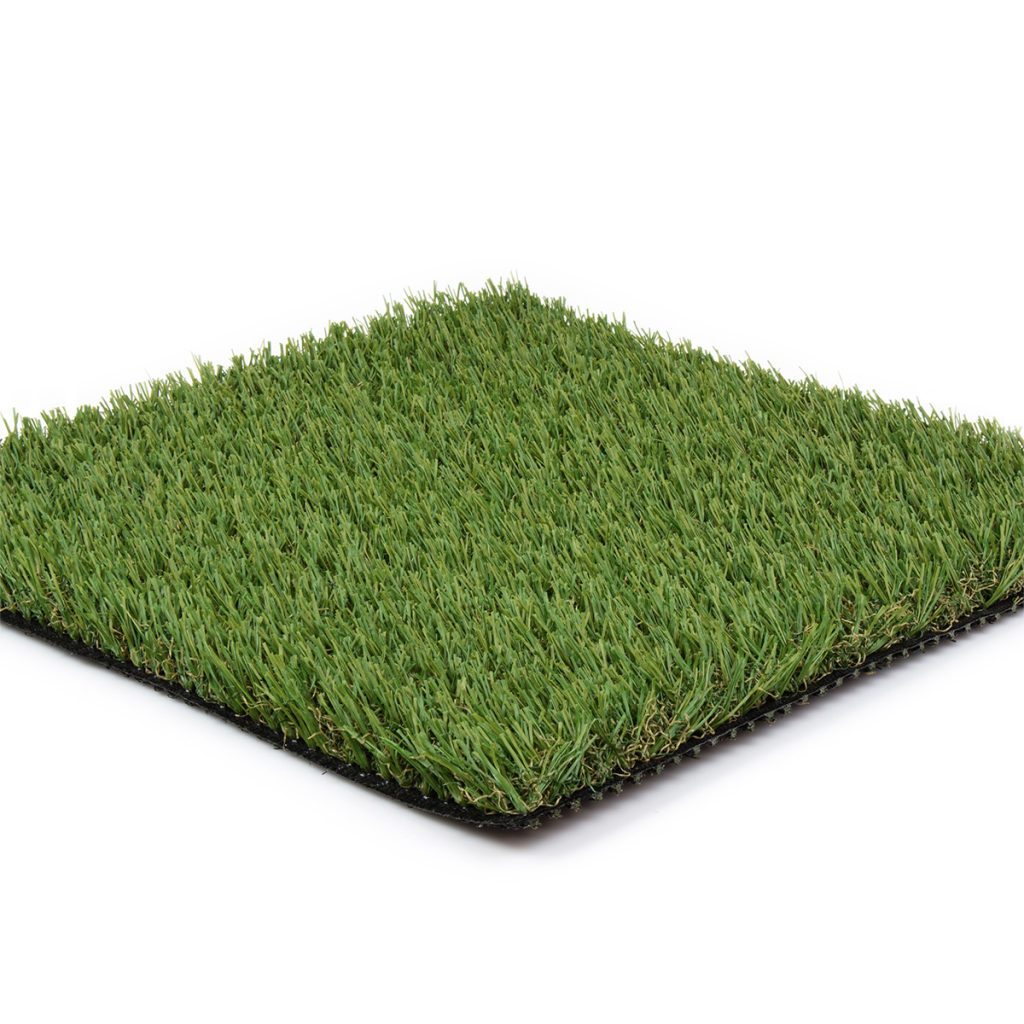
Cen-Tex Blend
The pick for side yards, dog runs behind a fence, and the larger south and northwest Austin lots where coverage matters more than close-up realism. 5-year warranty.
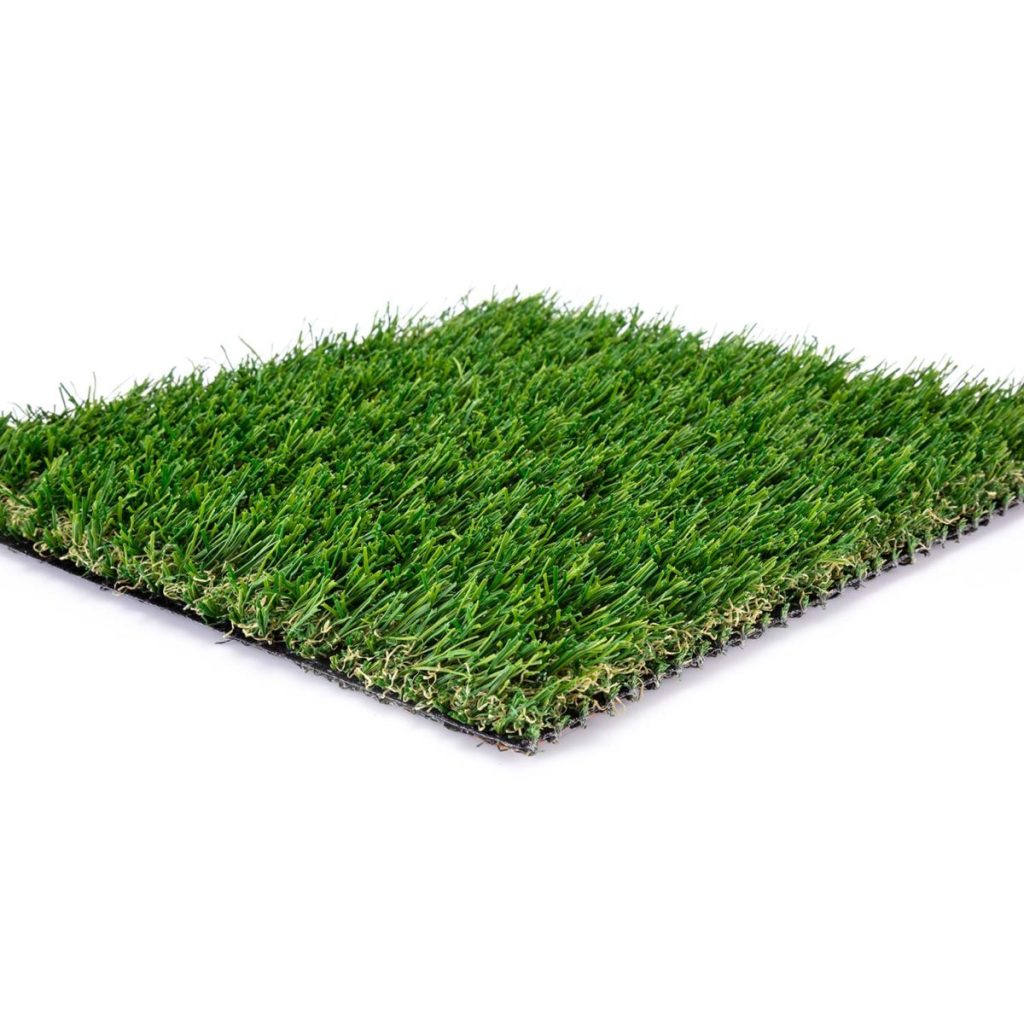
Hill Country Blend
Default for the visible front yards of central and west Austin. Realistic tone, 15-year warranty, and the blend an Austin installer named as the best pick for hot climates.
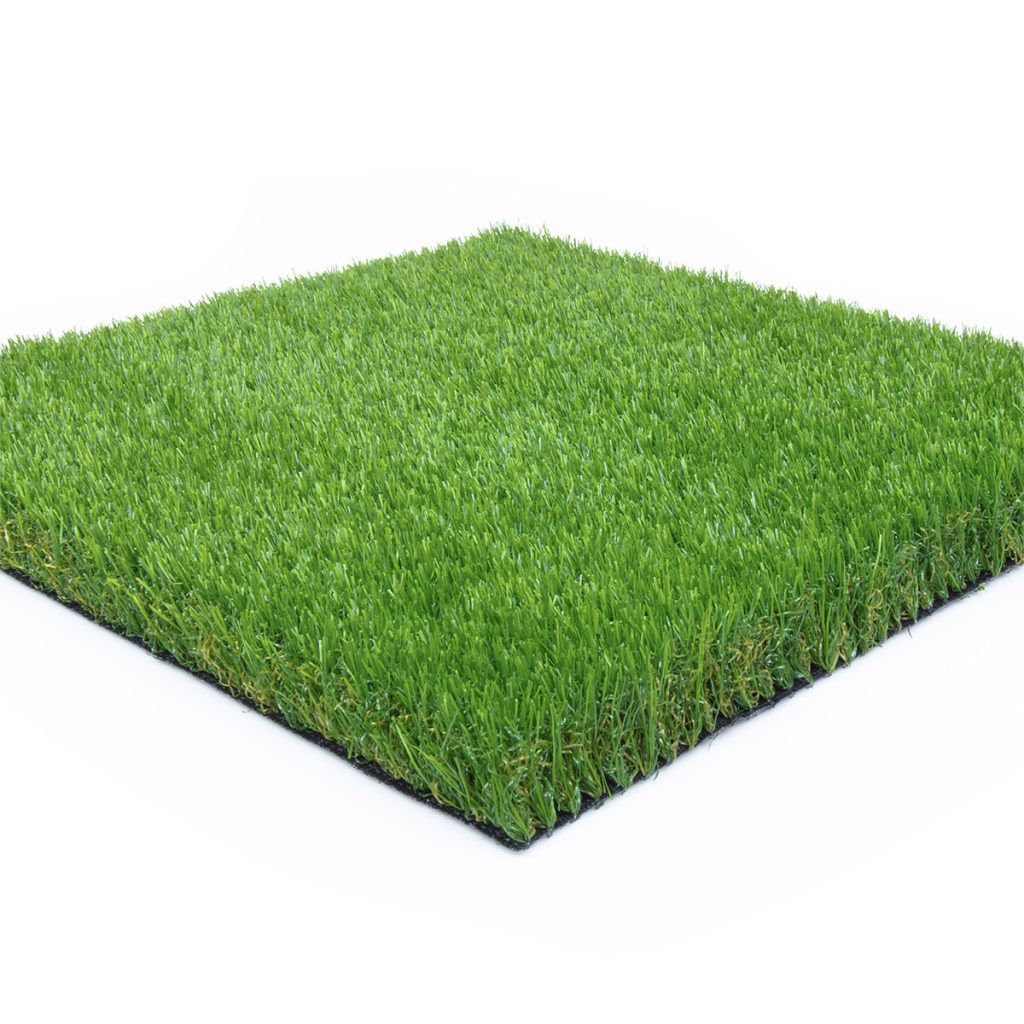
Texas Supreme
Pool surrounds in Barton Hills and Circle C, rooftop terraces downtown, and family play zones. 5 mm padding and the softest blade in the range. 15-year warranty.
The Numbers, In Plain Terms
Installed turf in Austin runs $9 to $15 per square foot, turnkey: the old lawn comes out, a compacted base goes in, then turf, infill and edging. A 300 square foot central Austin front yard lands between $2,700 and $4,500. A 500 square foot back yard lands between $4,500 and $7,500. The blend accounts for most of the spread; site prep and edging account for the rest. The full breakdown, including what 1,000 square feet costs and what pushes a quote up, is in our Austin turf cost guide.
What the schedule costs you today is harder to put a number on, because it is paid in brown grass, resodding and the occasional citation rather than on one bill. The honest downsides of turf are also on the site, because a decision this size should be made with both lists in front of you.
Owner-Run Process
Austin is the center of the area we serve. We come to you from Leander; there is no storefront to visit. Walk-throughs are usually scheduled within the week.
Utility and soil check on the walk-through
We confirm your water provider, look at the soil and slope, and note any heritage trees whose root zones shape the layout. Fifteen to twenty minutes on site is usually enough.
Written estimate in one to two days
Base prep, blend, infill, edging and any HOA submission spelled out as a firm number. The price in the estimate is the price on the invoice.
HOA or design-review packet where needed
Circle C, Steiner Ranch, Mueller and the other reviewed communities get a submission packet prepared as part of the install: spec sheets, product photos, layout drawing.
Owner and foreman on site every day
John McCormick sets the estimate, runs the install and does the final walk-through with you. No subcontractors. See every residential install type and the commercial turf page for what each job involves.
What Austin Homeowners Ask on the Walk-Through
What is the fine for watering on the wrong day in Austin?
Austin Water’s watering-day page states penalties of up to $1,000 per violation. In practice the city’s guidance is a warning notice for a first witnessed violation and a citation with a monetary penalty for a second within 365 days at the same address. Violations include wrong day, wrong hours, runoff and broken heads.
How much does artificial turf cost per square foot in Austin?
$9 to $15 per square foot installed, depending on the blend. A 500 square foot yard runs roughly $4,500 to $7,500. The cost guide has the full breakdown and the factors that move the number.
Does Austin Water give a rebate for artificial turf?
No. The WaterWise Landscape Rebate pays for converting lawn to native and adapted plants and states that turf grass cannot be replaced with another type of turf grass. Synthetic turf is not eligible.
Will my Austin HOA allow artificial turf?
Depends on the community. Most of central Austin has no HOA. Circle C, Steiner Ranch, Avery Ranch, Mueller and the other master-planned communities run architectural review and some restrict synthetic lawns. Section 202.007 protects native drought-tolerant landscaping, not artificial turf, so we check your covenants on the walk-through and tell you before quoting.
Is artificial turf safe for dogs and kids in the Austin heat?
Turf surface temperatures in direct Texas sun run well above air temperature, which is true of every brand. Shade, a rinse before use, and the padded Texas Supreme blend for play areas are what manage it. Our guides on how hot turf gets and turf safety for kids and pets cover it without the sales gloss.
Do you do commercial turf in Austin?
Yes. Rooftop and balcony turf for downtown buildings, commercial landscaping and putting greens are on the commercial turf page. The commercial watering schedule in Austin is also one automatic-irrigation day a week, which is why property managers ask.
Book a Walk-Through in Austin
Fifteen to twenty minutes on site. Written estimate within one to two days. Samples of all three blends. HOA packet prepared where needed.
Nearby: West Lake Hills, Rollingwood, Pflugerville, Cedar Park. All service areas.